About Us
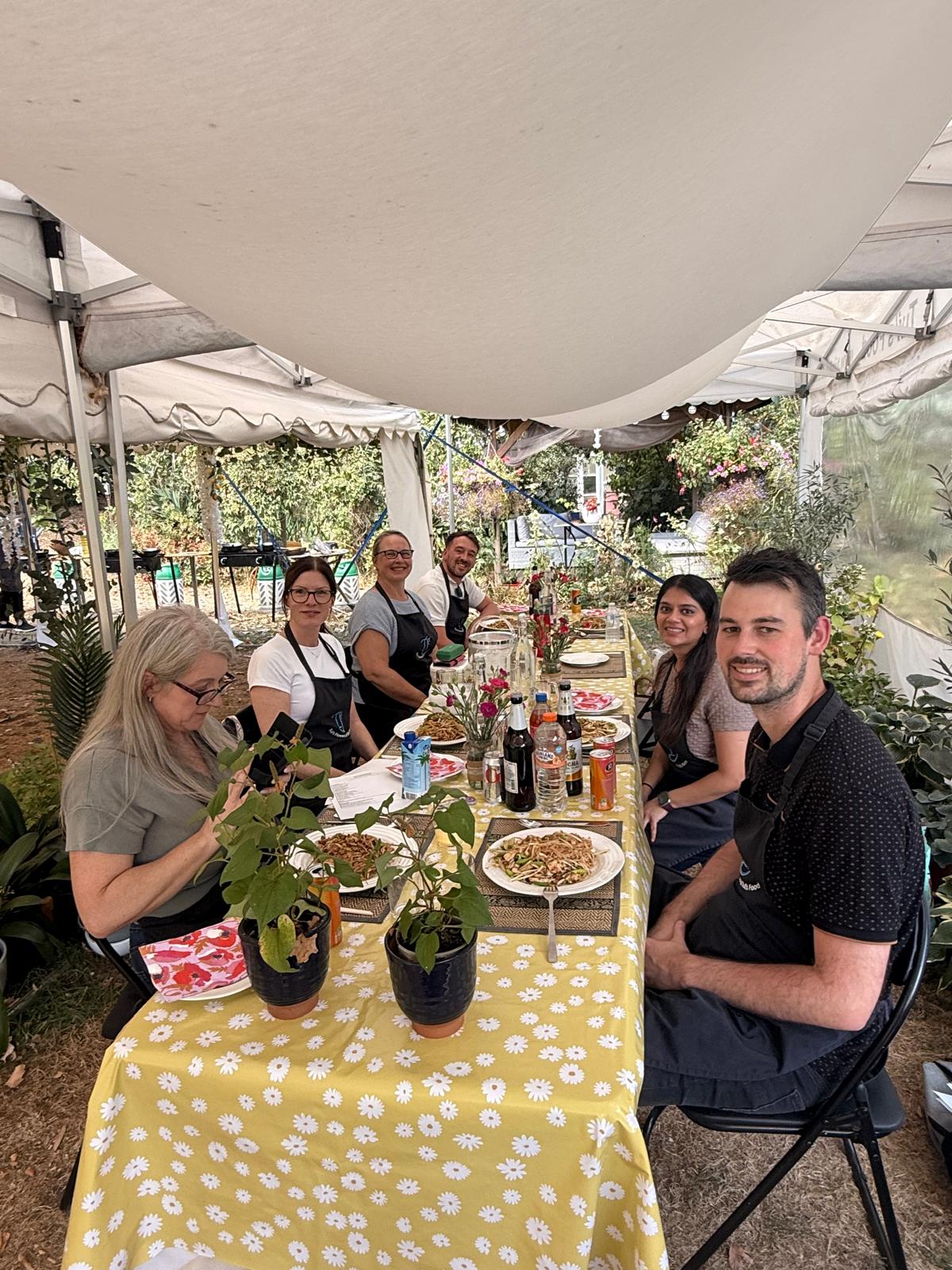
We’re a specialist recruitment consultancy in the East of England and Home Counties, built around a single principle: consultants who specialise in your sector and stay in it long enough to know it properly.
Explore About Us
We’re a specialist recruitment consultancy in the East of England and Home Counties, built around a single principle: consultants who specialise in your sector and stay in it long enough to know it properly.
Explore About Us ›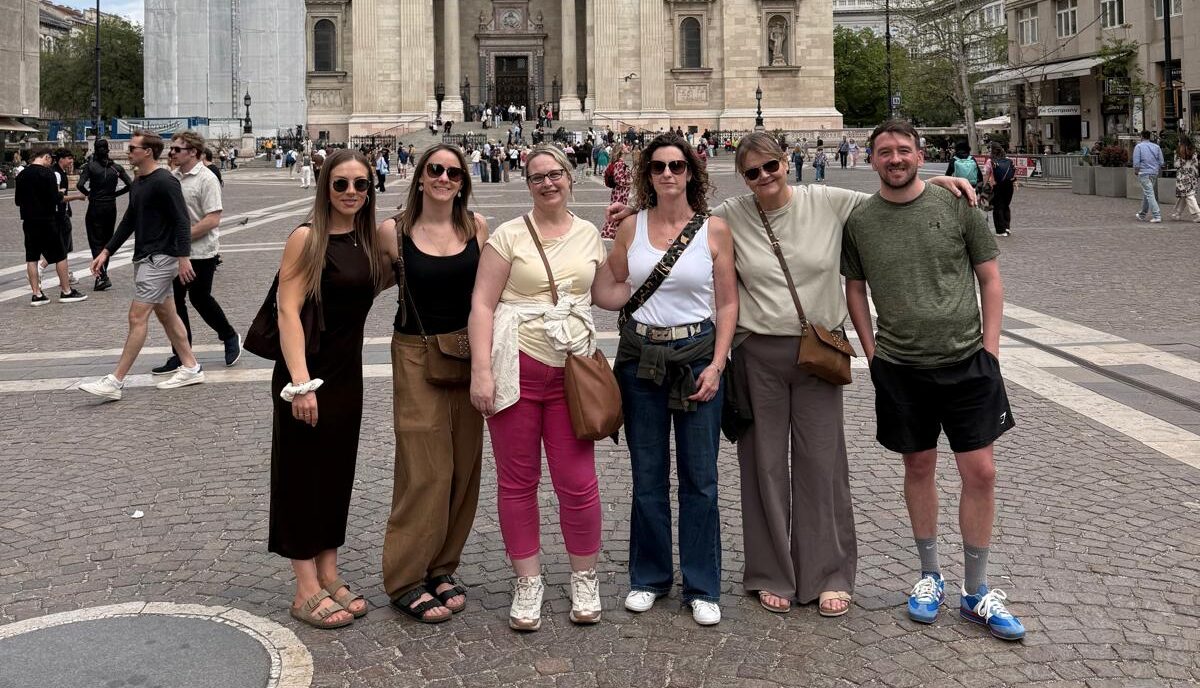
The specialist consultants behind our three Talent partner divisions.
Explore Meet The Team ›
Specialist recruitment for the roles that matter most to you..
Explore Hire with The ONE Group ›Explore Join us: Life at The ONE Group and find out more from The ONE Group.
Explore Join us: Life at The ONE Group ›Search current vacancies across The ONE Group’s specialist recruitment sectors.
Loading latest jobs…


Search events Month All months November 2026 October 2026 June 2026 May 2026 February 2026 January 2026 November 2025 October 2025 June 2025 February 2025 July 2024 June 2024 May 2024 March 2024 February 2024 January 2024 October 2023 September 2023 July 2023 June 2023 April 2023 November 2022 April 2022 February 2021 June 2020 September 2019 April 2019 March 2019 January 2019 November 2018 October 2018 September 2018 May 2018 April 2018 March 2018 February 2018 January 2018 December 2017 October 2017 July 2017 June 2017 May 2017 Location All locations Location: Howes Percival, Nene House, 4 Rushmills, Northampton, NN4 7YB Brampton Park Golf Club, Buckden Road, Brampton Burghley Park Golf Club, Stamford, Northampton Cambridge Cambridge Belfry Hotel & Spa, Back Ln, Great Cambourne, Cambourne Cambridge Country Club, Toft Road, Bourn, Cambridge, CB23 2TT Cambridge County Club, Toft Road, Bourn, Cambridge, CB23 2TT Howes Percival, Nene House, 4 Rushmills, Northampton, NN4 7YB Huntingdon Racecourse, Thrapston Road, Brampton LinkedIn Live Mills & Reeve, Botanic House, 100 Hills Road, Cambridge, CB2 1PH Northampton Online Online - LinkedIn Live Peterborough Powerleague Peterborough, Peterborough Road, Farcet, PE7 3BW Rothamsted Enterprises, West Common, Harpenden The ONE Group, 2030 Cambourne Business Park, Cambourne, CB23 6DW The ONE Group, 2030 Cambourne Business Park, Cambourne, Cambridgeshire, CB23 6DW The ONE Group, 2030 Cambourne Business Park, Cambridge, CB23 6DW The ONE Group, Cambourne Business Park, Cambridge CB23 6DW The ONE Group, Cambourne Office The ONE Group, Peterborough Business Park, Lynch Wood, Peterborough, PE2 6LR The Royal Suite, Cambridge Country Club, Toft Road, Bourn University Centre Building at Peterborough College, Park Crescent, Peterborough, PE1 4DZ University of Northampton Innovation Centre, Green Street, Northampton, NN1 1SY Wyboston Zoom Filter events 58 archived events NOV 04 WED The ONE Group, Peterborough Business Park, Lynch Wood, Peterborough, PE2 6LR 14:30:00 - 17:00:00 The Changing Landscape of Trade Unions Join us for an open and practical roundtable exploring the changing trade union landscape, what upcoming legislative developments...
Explore Events Archive ›Accountancy & Finance Commercial Office Human Resources All As we move into the 2026/27 financial year, the Accountancy and Finance market is in a genuinely interesting position.
Explore Market Insights ›TL;DR: The National Living Wage rose to £12.71 an hour in April 2026, just over £26,400 a year full time, which puts many receptionist, office junior, administrator and customer service salaries at or near the legal floor. That squeezes the gap between new starters and experienced staff. AI has already changed at least one admin process for 64% of commercial employers. Job satisfaction in commercial and office roles is 56%, the lowest of any group we survey, and salary drives two thirds of moves. The biggest benefit gap is performance bonuses.
From April 2026, the National Living Wage is £12.71 an hour, up from £12.21. At full-time hours that is just over £26,400 a year. The rate for 18 to 20 year olds rose to £10.85, and the government remains committed to phasing out the age difference over time.
The bigger risk is not roles falling below the floor but the floor catching up with the next grade. If a receptionist with no experience earns £26,400 and an Office Administrator with three years’ experience earns £27,500, the difference that was meant to reward experience has more or less disappeared. That is where experienced people start to leave.
The roles under most pressure, based on typical salaries in our early 2026 data:
Source: The ONE Group market data, March 2026
Employers should review the whole lower salary structure, not just the roles paid at the minimum, and model the full cost of the 18 to 20 rate where they employ younger workers.
It is changing them rather than replacing them. 64% of commercial employers say AI tools have changed at least one administrative process in the last 12 months, and 71% of commercial professionals use at least one AI tool regularly.
Routine correspondence, scheduling, first-line query handling, data entry and procurement coordination are all faster or partly automated compared with three years ago. The people doing well are those who have moved the freed-up time into work AI does not do well: managing relationships, solving complex problems and handling difficult situations with judgement and empathy.
Source: The ONE Group employer survey, January 2026
An experienced Executive Assistant managing a leadership team’s diary is not being replaced by a scheduling tool. Repetitive, process-driven work where speed and accuracy matter more than judgement is what is under most pressure. When advertising, lead with the parts of the role that need a person. If you have brought in AI tools that free people up, say so, because candidates see that as a positive.
Active but more selective. 44% of commercial employers plan to hire in the next six months and 41% of commercial professionals are actively or passively considering a move. Compared with the high-volume hiring of 2022 and 2023, employers are clearer about what they need and less likely to hire speculatively. That raises the bar, but it rewards candidates who can explain what they bring beyond the task list.
Typical salaries across our six regions in early 2026:
At entry level, several typical salaries in our early 2026 data sat below the new National Living Wage equivalent in some regions, so those figures will have had to rise from April. The Typical figure is the most common placement salary we see, and all figures are for permanent roles.
Source: The ONE Group commercial and office salary guide 2026. Full regional tables covering administration, customer service, legal, operations and sales are in the guide.
Most got little or nothing. 38% received no increase in 2025 and 47% received between 1 and 4%, below inflation for most of the year. Only 15% received 5% or more.
Overall job satisfaction in commercial and office roles is 56%, the lowest of any professional group we survey. This group was hit hard by the cost of living and has seen the least salary movement to offset it.
Salary is the main reason for moving for 66% of commercial professionals, more than in our HR or finance groups. At this end of the market, going from £27,000 to £30,000 makes a real difference to living standards. Employers who expect loyalty to outweigh a 10% pay rise are likely to be disappointed.
Source: The ONE Group commercial candidate survey, January 2026. n=341
Less than other professions, because many of these roles need someone physically present. But the expectation of some flexibility has become standard, and fully office-based roles are losing candidates they used to attract.
38% of commercial professionals are currently fully office-based, but only 19% say that is what they would prefer. That 19-point gap is the largest of any group we survey. Where presence really is needed, explain why honestly and make office time feel worthwhile. Requiring it without explanation speeds up attrition in this group more than any other.
Source: The ONE Group candidate survey, January 2026
The biggest gaps between what employers offer and what commercial professionals want are:
Source: The ONE Group employer and candidate surveys, January 2026
With base pay under National Living Wage pressure and pay rises modest, a performance bonus gives people a way to earn more without a permanent salary increase, and shows that good work is noticed. Flexibility around core hours costs very little and removes a real barrier for people with caring responsibilities or high commuting costs. Both cost far less than replacing experienced staff.
The Act is usually discussed in relation to HR and finance, but it affects commercial and office functions directly. In force since April 2026:
Still to come:
Source: Employment Rights Act 2025 / Lewis Silkin ERA dashboard, February 2026
The zero hours change matters most here. Customer service, contact centre, retail support and events teams often use zero-hours or variable-hours contracts. From 2027, workers on these contracts will have the right to a contract that reflects the hours they regularly work. Reviewing those arrangements now is much easier than reacting once the rules are in force.
Q: What is the National Living Wage in 2026?
£12.71 an hour from April 2026, up from £12.21. That is just over £26,400 a year for a full-time worker. The rate for 18 to 20 year olds is £10.85.
Q: How much does an Executive Assistant earn in 2026?
Typically £40,000 to £45,000 across Cambridge, Essex, Hertfordshire, Northampton, Peterborough and Milton Keynes. Experienced EAs supporting senior leadership teams are paid at the top of our ranges and often have several offers.
Q: Will AI replace administrative jobs?
Our data suggests it is changing them rather than removing them. Routine tasks are being automated, while the value of judgement, relationship management and problem-solving is rising.
Q: Why do commercial and office staff leave?
Mostly for more money. Salary is the main reason for 66% of commercial professionals, and satisfaction in this group is the lowest we measure.
Q: What benefit would make the most difference to a commercial job offer?
A performance bonus. It has the biggest gap between what people want and what employers offer, and even a modest scheme gives people a route to higher earnings.
Article produced by The ONE Group | www.theonegroup.co.uk
Stay ahead of the market with the latest industry trends, salary insights and recruitment intelligence.
Simply complete the form below and we’ll send your market insights directly to your inbox.
By submitting this form, you're happy for us to be in touch about your enquiry. We'll only use your details for that purpose. See our Privacy Policy for the full picture.
TOG started in Peterborough in 2004 with a small team and a simple idea: that recruitment is a people business, done best by specialists who stay in their sector long enough to know it properly.
More than two decades on, we've grown into four offices across the East of England and Home Counties. We recruit for finance leaders, HR directors, engineering managers, tech founders, scientists, and the commercial teams that keep businesses running day to day. Between us, we've built up over 258 years of collective recruitment experience across our specialist divisions, and a network of more than 150,000 candidates we've placed, coached, or come to know across two decades in the region.
The founding principle hasn't changed. Recruitment as it should be.
Our first office launches with a team of six on Lynch Wood. Cambridge follows the same year, giving us two offices before our first anniversary.
Our third office opens with a team of five, quickly growing to eleven consultants covering the wider Midlands region.
The team has outgrown the founding office. We move into Arena House on Lynch Wood, big enough for a growing consultant base and the back-office team that supports the whole group.
Our second office relocates to Cambourne Business Park, giving the growing Cambridge team the space it now needs.
The Hertfordshire & Essex office opens in Potters Bar, extending our footprint into the Home Counties.
In the same year, we're named Business of the Year in Northamptonshire, and Employer of the Year in both Cambridgeshire and Hertfordshire at the regional SME Business Awards. Three counties, three panels.
Four offices, more than 258 years of collective recruitment experience across our specialist divisions, and a network of over 150,000 candidates.
Same founding principle.
We're specialists, not generalists. Every consultant at TOG focuses on one sector and stays in it. Not because it's the only way to do recruitment, but because it's how you build the depth to spot the difference between a strong CV and a strong hire.
It's also why so many of our clients come back to us years, even decades, after a first placement.
Beyond the recruitment itself, we produce annual salary guides, regional market reports, and the practical resources our clients and candidates turn to when they want a clearer view of what's happening in their sector.
We stay interested in the market we work in, and in the people who work in it.
We remember your kids' names and know how you take your coffee. That's just how we work here.
We're here to help people build careers they love and businesses they're proud of.
Recruitment is a career, but it should be fun too. If it isn't, we've done something wrong.